
Keep Showing Up
How Mikaela Shiffrin Became the GOAT by refusing to give up


American alpine skiier Mikaela Shiffrin's path hasn’t been easy. She’s endured otherworldly pressure, loss, grief, breakdowns, injuries, and failures. But she kept going. She kept being herself. Now she’s back on top of the mountain—an embodiment of excellence in every way:
Shiffrin won her first gold medal at the 2014 Winter Olympic Games at the age of 18. From then on, she was a perennial favorite to win nearly every alpine ski event. She performed well in 2018, taking home another gold (and silver).
In 2022, she was favored to win at least three golds. She didn’t come home with a single medal of any color. It was a devastating result.
Shiffrin’s father, Jeffrey, to whom she was extremely close, died unexpectedly following an accident at his home in 2020. Of course this affected her skiing, but it was about so much more. In a poignant 2022 piece on her experience of grief for The Player’s Tribune, Shiffrin wrote:
"It's like you have an injury in your soul.
There is no timetable. There is no rehabilitation. Some days you wake up and think, What's the point?"
Shiffrin continued to dominate World Cup races. In 2023, she broke the record for the most wins with 87. But then, at the end of 2024, during a crash, she suffered a severe puncture wound to her abdomen. The injury required surgery, hospitalization, and a long road to recovery—and not just physically.
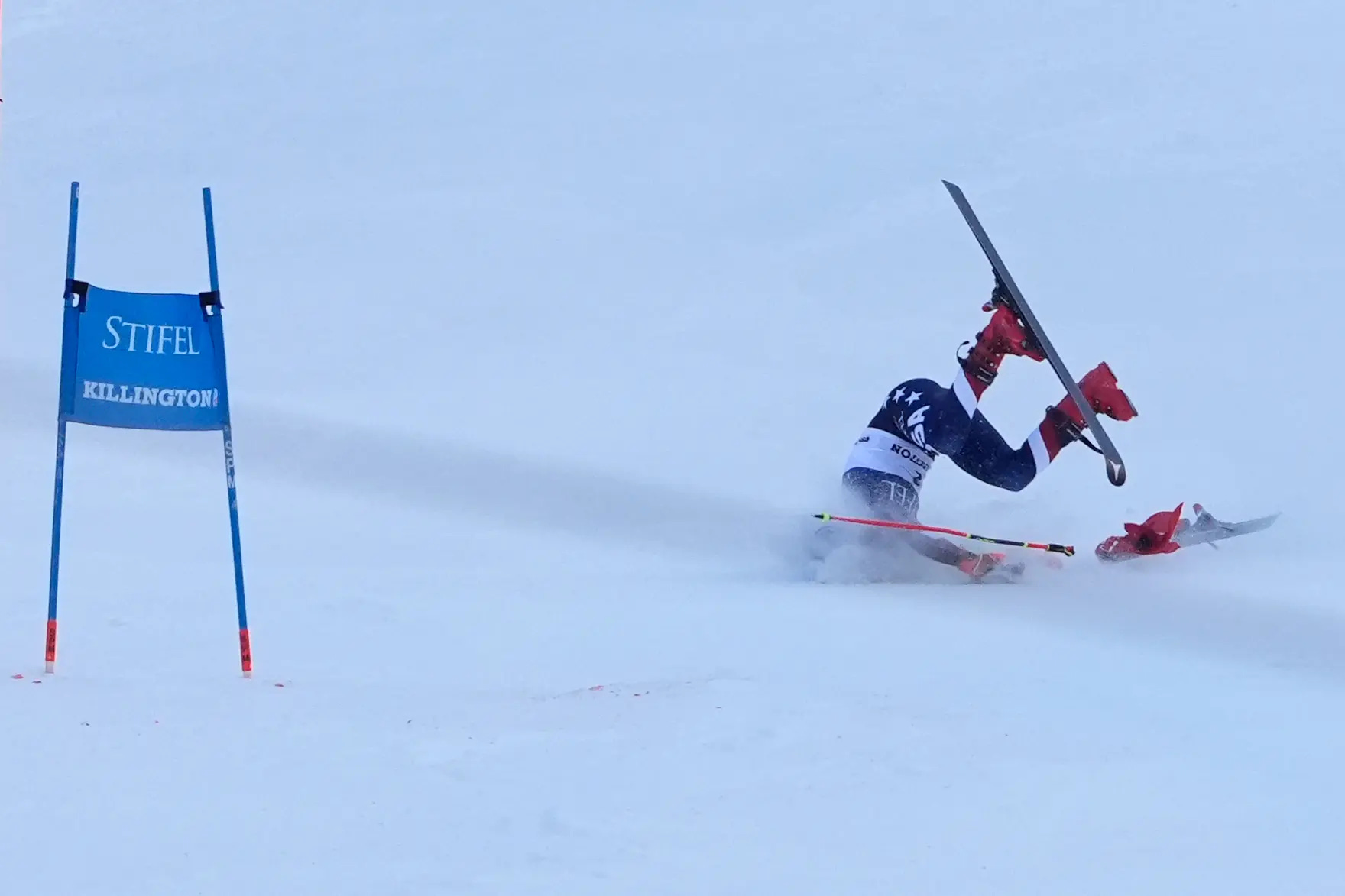
Shiffrin shared how she experienced PTSD from the crash, which caused her to hesitate, slow down, and feel gut-wrenching anxiety before races.
But she kept going.
She surrounded herself with good people.
She did therapy for her body and mind.
She was vulnerable and courageous.
In 2025, she passed 100 World Cup wins. It’s an extraordinary number that easily makes her the best alpine skier of all time. And yet, and yet...
The disappointment of the 2022 Olympic Games still loomed.
The 2026 Olympic Games
Heading into the 2026 Milano Cortina Winter Olympic Games, Shiffrin carried all of this. The expectations. The grief. The anxiety. The injury. The success. The failure. The ever-scrutinizing public eye. It is truly impossible to understand what that kind of pressure is like.
It is not a normal human experience. Especially with today’s 24-7 news coverage, social media, and opinions from armchair experts who have been no where near stepping into the arena.
The start of the 2026 Games went South for Shiffrin. In the team combined race, where she and her partner were among the favorites, they finished fourth after Shiffrin's subpar slalom. She then finished 11th in the women’s giant slalom.
Instead of becoming angry, resentful, or spiraling, Shiffrin celebrated her teammates.
"I'm gonna call it sweetbitter rather than bittersweet, because we got to watch our teammates get a medal, which is incredible," she said.
Days later, on the start line of the individual slalom race, Shiffrin took a deep breath.
As I was watching, I thought to myself that inhale and exhale contained within it so much texture, so many challenges, so much pressure, so much life—the good, the bad, and the ugly.
Shiffrin went out the gate and dominated her first run. And then, on her second run, she did it again. A gold medal performance.
Incredible. Extraordinary.
A moment for the ages.
Mikaela and I first connected when she shared something I wrote a few years back:
“There is no greater trap than thinking the accomplishment of some goal will change your life. What will change your life is who you become in the process of going for it.”
That quote became the centerpiece of "The Way of Excellence."
I know Mikaela is proud of the medal. But I bet even more so, she’s proud of who she’s become, and is still becoming. Mikaela Shiffrin embodies excellence. Excellence does not mean control. It does not mean perfection. It means the ability to meet the moment with presence, flexibility, and a next-play mindset.
It’s staying in the game. It’s giving your all. It’s beginning again. It’s responding instead of reacting. It’s stepping into the arena. It’s caring deeply. It’s laying it on the line.
It’s doing all this while staying grounded. While keeping your head up. While showing up as best you can. While running the race in front of you.
Parts of this post were excerpted from my new book, The Way of Excellence. It’s a New York Times and USA TODAY bestseller. If you enjoyed this post, you’ll love the book, and it’s currently $7 off on Amazon. Get your copy now: Amazon, Bookshop, Barnes and Noble.
Your book just hit my Kindle.
As always...I love your stuff, Brad—a question for you. I read your book, and there's so much good stuff in it. My question is, why didn't you spend more time on failure? I know there's a lot written on it, but I would have liked to get more of your insights on the subject.